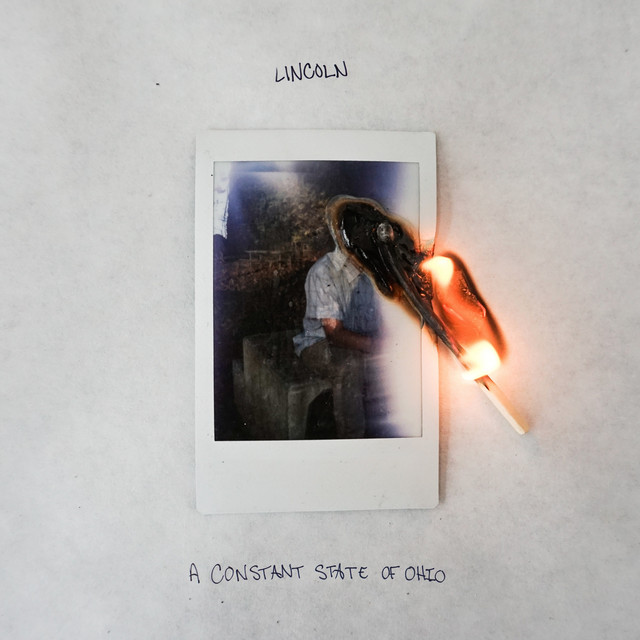
2026-Sep — A Constant State of Ohio by Lincoln
Released January 2017 • Genre: grunge/punk rock
When I first found this album in 2017, it immediately rocketed towards the top of my favorite albums list and has remained in my top three for the better part of a decade. The palpable angst steady throughout resonated so strongly with me, especially since the themes of the album–religious difficulties, self worth questioning, heartbreak, anxiety, and more–were all things that I struggled with myself. Throw these lyrical themes on top of some incredible rock arrangements, and you’ve got this zero-skip EP.
The writing in this EP is what stands out as particularly special. If you were to take the lyrics and print them onto paper, they could easily be published as a collection of avant garde poetry. The entire project has a weight behind it, and it’s clear that the intense emotions of breakups, religious angst, frustration, and insecurity were poured into it. At the same time, many of the lyrics taken out of context could border on nonsensical, resulting in this juxtaposing feeling of incredible depth and total meaninglessness at the same time, which works so perfectly for the theme and vibe of this album. I believe that the best thought-provoking writing allows the listener to assign their own meaning or interpretation to the lyrics without also fully losing the artist’s original intent, and this album is a masterful example of that.
I also absolutely adore the musicality of this project. Lincoln’s singing range is enjoyable without being the focus of the album, which actually works in its favor, as it opens the door to singing along without too much exertion. The instrumentation is a garage rock vibe, consisting primarily of crunchy guitar accented with either piano or strings, all over especially heavy drums that really burst through to the forefront. There is also a brilliant element of disorder throughout: if you listen closely you can hear occasional drum stutter steps or guitar screeches that sound borderline accidental, but work so well in the overall composition that they are almost certainly fully intended.
This album should not be listened to shuffled. I often find myself treating this EP like one long 16-minute song with five parts (hitting play and listening through the entire thing) rather than an album of individual songs, but every track holds up 100% on its own as well.
After nearly a decade of listening to this album, I’ve learned to be more comfortable with the uncomfortable emotions that this album clearly derives from, but I have not lost an ounce of my appreciation for it. In fact, my love of it has only grown: sometimes I like to reflect back on and appreciate the struggles of young adulthood, and other times to use the songs as an outlet to channel these and other emotions when they do arise – they’ve grown more manageable, but not left my life entirely, after all.